Nourishing Nosh
  • HOME
    • About us
    • Contact Us
    • Location Map
    • Newsletter
    • Recipes
    • Blog
    • Photo Gallery
    • Photos
  • Nutrition
    • Nutrition consults
    • EATING DISORDER HELP
    • Classes >
      • BOOK a CLASS >
        • about our classes
        • Cancellation policy - cooking classes
  • Workplace & schools
    • SCHOOL >
      • DADs Cannelloni
      • DADs Mexican
      • DADs Asian Fish
      • DADs gnocchi
      • DADs Risotto
    • schools programmes
  • Sustainability
  • Testimonials
  • Media

Don't let the food police ruin your festive feasting!

30/10/2015

1 Comment

 
Picture
I think you'll all agree that there's a time to eat for health and a time to eat for enjoyment (they are of course not mutually exclusive). The point is it's healthy to relax and not be too restrictive all of the time.  

I love festive feasting but like to keep my food fresh and flavourful, nothing too stodgy, not because I don't eat grains or potatoes, but because it's Summer and it's hot and salad goes better with bubbles (the ones from Champagne and San Pelegrino.)

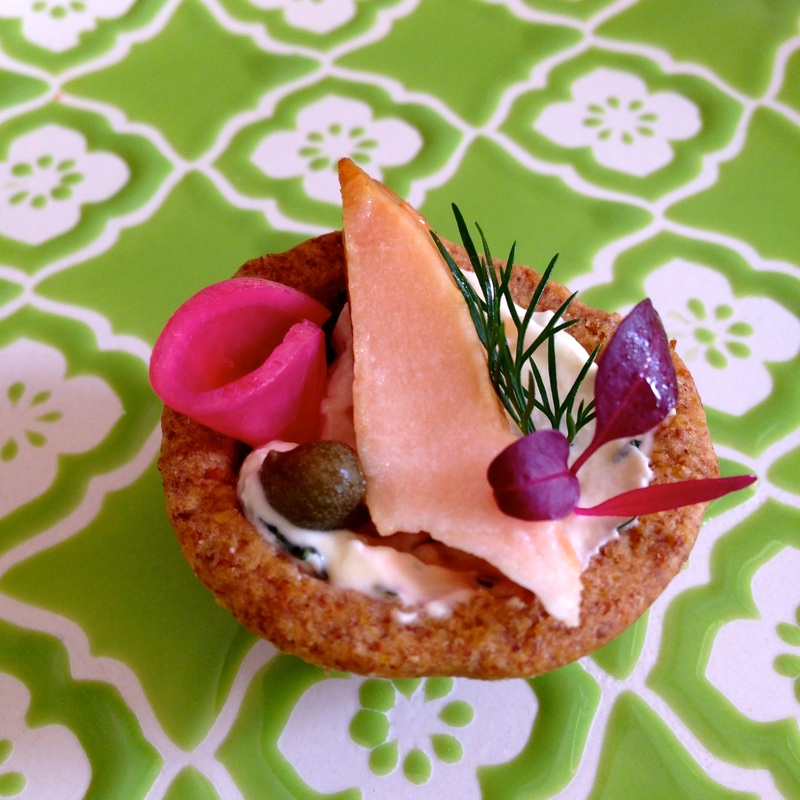
​With this in mind I've put together a rather long list of canapés for your entertainment this season. Please enjoy with a cup of tea.

A comprehensive Spring/ Summer canapé menu is packed with delicious morsels that you are bound to love.

Many of us enjoy entertaining but overestimate our ability to keep up with the plethora of commitments at the end of the year (ambition is good, but it can be exhausting!)  Why not make your life a little easier and allow us to help with your end of year party or event?  Perhaps you just need a Christmas pudding, a slab of nutty nougat or a Gingerbread house... (yes this is your nutritionist speaking.) Whatever your culinary whim, I am here to help.  There is sure to be something for everyone in this extensive menu. For those who can be overwhelmed by choice, I recommend you select 2 "must have" canapés or a theme and I can help with the rest.  Link to Catering page.  

If you'd prefer to cook your own, there are some inspiring cooking classes for kids, teens and adults coming up soon.
​
As always, I am very happy to assist with food for allergies or food intolerances.
1 Comment

More than 50% of our teens are not getting enough calcium

16/9/2015

1 Comment

 
Picture
Optimal nutrition in adolescence is vitally important to reach peak bone mass density and stave off osteoporosis and fragile or brittle bones which can easily fracture. 

Calcium is essential to strong dense bones.

50% of 14 - 18 year old males and nearly 80% of 14 - 18 year old females do not get enough dietary calcium. 

Calcium is essential to life and plays a major role in many physiological processes including neuromuscular and cardiac function - think muscle contractions of the beating heart. So if there is not enough calcium circulating in the blood, calcium will be resorbed or literally stolen from the bones.  A beating heart is more important than strong bones.

Adolescence is the period in which, with optimal nutrition, our teens have the potential to reach peak bone mass density.  In other words it is the time when essential minerals like calcium, magnesium, fluoride, potassium and sulfate combine and crystallise to form a complex web like matrix that creates strong, dense bones.

“Bone mass increases by about sevenfold from birth to puberty and a further threefold during adolescence.”

Teens need 1300mg calcium every day to reach peak bone mass.

Dietary calcium requirements
Age                RDI*
1-3 yr            500 mg/day
4-8 yr            700 mg/day
9-11 yr          1,000 mg/day
12-18 yr        1,300 mg/day

*RDI - recommended daily intake

Requirements may be higher for individuals who exercise and subsequently sweat a lot as calcium is lost in sweat.

Calcium sources include the well known dairy group which also provides protein and essential fat soluble vitamins.  

Dairy free whole food sources from high to low include fortified tofu, fish with bones such as sardines, canned salmon, anchovies, sesame seeds, tahini, chickpeas, chia seeds, dark green leafy vegetables, dried figs, seaweed,& tempeh, almonds, nut milks, slow cooked meat and fish bone broths (and casseroles made with bone in meats). 

Factors negatively influencing calcium absorption or increasing urinary calcium loss
  • oxalates+ and phytates+ in vegetables, grains, seeds and nuts 
  • high sodium (salt) consumption 
  • low vitamin D exposure
  • high protein diets 
  • ketogenic diets
  • caffeine consumption
  • high sugar consumption

+you can prep vegetables, seeds, nuts and grains to reduce anti nutrients that bind minerals such as calcium

Vitamin D is required for calcium absorption and can be obtained from minimal exposure to sunlight.  So run and jump and cycle and swim outside. 

Oestrogen is a hormone responsible for encouraging bone growth and a delay in the onset of menses due to inadequate nutrition can also inhibit the strengthening of bones and lead to early onset osteoporosis.  This condition is more common in young female teens who are heavily involved in sports and/ or have an eating disorder such as anorexia nervosa. 

For more on teen and tween nutrition please take a look at the teen and tween yoga and cooking workshop
Wednesday 23 September 9.15 - 3.15pm.

1 Comment

Can we save our teens from the Froco?

5/9/2015

1 Comment

 
"Froco" slang for the popular $1 frozen coke sold by 2 of the mega world dominating hamburger chains.

Last week, I had the pleasure of presenting to a gorgeous group of year 11 Food technology students.  I opened with some stunningly horrid stats (source ABS 2008 & 2012)

63% of Australian adults are overweight (38%) or obese (27%).
25% of Australian children are overweight or obese. 
A staggering 280 Aussies develop diabetes every day! (85% type 2 diabetes)
In 2012 a tiny 6.8% of the Australian population ate 5 serves of vegetables a day. 

Is this possibly one of the reasons why - A whopping 35% of total energy consumed came from the 'discretionary foods’ group (its not even meant to be a group!) That’s the high fat, sugary, salty foods (41% in 14 - 18 year olds.) Pretty?

My brief was to talk to the importance of adolescent nutrition and not becoming one of the above statistics.  This, I did, noting the best foods to eat for various teenage predicaments including sexier hair, perfect skin and hotter bodies - these are the quandaries that Cosmo Girl  tries to solve for our young teens so not wanting to disappoint my young audience I too tackled the important issues.

Picture

We also covered the importance of calcium to reach peak bone density; foods to enhance muscle strength and stamina to beat their rivals in the netball grand finals;  the performance enhancing powers of complex carbohydrates such as fresh vegetables, including starchy tubers like sweet potato, fruit, whole grains and legumes; the blood sugar balancing magic of whole food proteins (actual meat, chicken, fish, eggs, legumes, fish, dairy, nuts & seeds etc) and the satiating and anti inflammatory effects of healthy fats, especially the omega 3 fatty acids from fish, seeds and nuts.  

Where we came unstuck was with the afore mentioned mega burger chain and their $1 frozen cokes - I just assumed that these bright young things would steer clear of the Golden Arches - I was wrong.  They all knew about that “greasy - gotta brush your teeth right now” mouth feel you get after a burger and chips - this feel I suspect is from trans fats (the very worst kind of inflammatory fat.)

But the main draw card was the $1 Frocos, which contain 10 teaspoons of sugar and that’s the regular. Not so great for sexy hair, perfect skin, hotter bodies, peak bone density or a full mouth of your own teeth. If you’re an avid fan (of mine) you may recall in a previous post Are you really eating too much sugar? that the WHO recommends a maximum of 6 teaspoons a day of added sugar. I therefore pose the question “Is it even ethical for food manufacturers to sell these products at such ridiculously low prices clearly targeting our budget vulnerable teens?”

The girls empathetic to my incredulity, promised that they did not drink the whole thing (remind anyone of the politician who did not draw back?) Bless them!

Obviously the occasional Froco will not harm this seemingly health conscious group but what about the 25% of Australian kids who are overweight and obese and the fact that 41% of our adolescent’s kilojoules come from the nutrient poor “occasional foods group?” We can not watch over them every minute of the day but we can lead by example and make it easy for them to choose wisely at home by crowding out our pantries and fridges with real whole food, full of health enhancing goodness. 

If you need help convincing your teens not to be a statistic (and gift them with a wonderful cooking and yoga experience), I am running a teenage yoga and cooking workshop with Lizzie Taylor from Yoga Healthy on Wednesday 23 September where we’ll tackle these issues and some strengthening and mental health enhancing yoga practices.  Or perhaps you'd prefer to attend The nourished lunchbox yourself on Monday 7 September at 11am for wonderful recipes and inspiration on the lunchbox front.

1 Comment

Is globalisation killing Balinese cuisine?

12/7/2015

0 Comments

 
I have just been holidaying with my baby (teenage) daughter in Bali, backpacker style, because there are still spaces in my cooking classes (please take a look and book in if you see one you like.)  I am just kidding of course, we actually really do like backpacking. It makes me feel younger and mush more adventurous.

We surfed and yoga practised and window shopped until we were sore.  We did a 3 day yoga immersion in Ubud which was VERY relaxing.  We surfed until Jade got seasick (possibly not a natural…) and of course we bonded over Balinese food and  and learnt as much about their cuisine as we could.

So, globalisation has many merits,including bringing the Yoga Barn to Ubud and for that I am grateful.  Tourism has helped improve the lives of many Balinese and many of the locals we met in Ubud waxed lyrical to that.  

One not so fabulous side effect is the plethora of cuisines in Bali… What! I hear you exclaim, is the problem with that?  And you do know, if you are reading this blog, that I love a bit of variety in my food.  BUT, for me so much of a country’s culture & history is expressed through its food - it is a sharing of the essence of a country and its people, their celebrations and hardships, their religion, the traditions that shaped them and the very fertility of their land and its abundance (or lack thereof). 

We actually found it quite hard to find really authentic Balinese and or Indonesian warung/ restaurants in Bali, with many diluting their menus to the very basic Nasi and Mie Goreng to make way for chicken cordon bleu and hamburgers and chips, a sad state of affairs.

Of course, we did manage to eat some delicious Balinese food and I hope that enough of us fortunate to travel to Bali do seek out authentic Balinese food so that the locals feel proud and brave enough to start their own warungs, restaurants and cafes.  

I want to share one of the gems from our travels, the Warung Dandelion in Canggu.  This one is worth the flight form Sydney so definitely the road trip from Seminyak. 

Locally owned and run by the charismatic and creative Gani, Dandelion exudes welcoming warmth and charm.  Dandelion’s roof and wall struts were imported from Java and planted on a grassy block overlooking a rice field.  The walls themselves are “made” from floating bookshelves, covered in antiques and curios and an enormous ivy covered screen. The kitchen is the third wall and there is no fourth - the warung opens to the garden and the views beyond.  It’s truly delightful.

Gani's mission was to serve his guests authentic Balinese food from his childhood and to make sure he got it right, Gani uses his talented mother’s delicious recipes. You have to book as this little gem, open for just 10 months, is often booked out.  

There is a local band playing Balinese music in the garden, candle light flickers playfully and the scene is pure holiday perfection.   

The staff are friendly, professional and animated and the service is wonderful.

Our faves on the menu were the Ikan pepes (fish in spices, steamed in banana leaf) and the Tum Ayam (chicken in spices, cooked in banana leaf) and the Dagar guling (coconut and palm sugar rice flour pancakes.)  But I have to say all of the food looked divine…if only I had a bigger tummy or another night in Canggu.

Gani is building a bar to accommodate those waiting to dine. I highly recommend  you visit.  

Would you like to do a Balinese cooking class in Sydney? Email me

Link to Dandelion, Canggu, Bali

Picture
0 Comments

Are you really eating too much sugar?

3/6/2015

4 Comments


How much is too much sugar? Can spices help? 
6 easy tips on when, why & how to reduce. 

Juicy complex questions - allow me to diverge a little before I answer…
I got a bit carried away this month. Bear with me - There’s a delicious recipe at the end and great tips on regulating blood sugar levels.

Remember the old nursery rhyme, What are little girls made of? “sugar and spice and all things nice”.  Well…what was once considered a compliment, could in these turbulent, confusing, foodie times be considered a controversial statement, an insult even? Technically speaking, you’d be pretty unhealthy if this was your constitution and you’d need a truckload of spices to counteract the inflammatory properties of the sugar.  

Today we look at sugar and a spice.  Sugar, the demonised food, we are told to avoid at all costs and a spice, revered for its medicinal qualities. 

So which spice shall we pick to balance our blood sugar levels and why should we bother? Let me start with the second question.

No matter your dietary bent, the cornerstone to healthy eating is regulating blood sugar levels. Our bodies LOVE homeostasis. It means that they do not need to work as hard and this reduces stress (including oxidative on our cells.) 

Let’s begin with a quick science lesson - what happens when we eat “sugars”?
  1. We eat carbohydrates or “sugars”, some healthy (vegetables, fruit, legumes & wholegrains) some not so (sugar and refined “sugars”, based on processed white flour such as cakes, biscuits, crackers, white pasta, supermarket breads & lollies, potato crisps, ice-cream etc)
  2. Carbohydrates are broken down in our bodies to glucose (a simple sugar) which is our body’s energy currency.  Levels of glucose increase in our blood.
  3. The pancreas senses the rising blood sugar levels and secretes insulin, a hormone that attaches to insulin receptors on each and every cell in our body to signal the cell to open up and let the glucose in.
  4. Glucose is let into the cells and there is a decrease in the level of sugar circulating in the blood.  Blood sugar levels stabilise. The pancreas stops secreting insulin. 

Eating fats (nuts, seeds, oils, butter) and proteins (meat, fish, eggs, tofu) does not result in an insulin response as these foods do not contain “sugars”.

But what happens when things go wrong in this system?

When a person’s diet is high in sugar and refined sugars, their pancreas has to work harder to make more insulin to signal the cells to open up and let the glucose in.  

A balanced diet containing protein, fat and complex carbohydrates (fibre) which slows digestion, reduces the overall sugar load, slows the subsequent insulin response and ultimately helps to regulate blood sugar levels.

Without protein, complex carbohydrates (fibre) and fat, blood sugar levels spike and plummet, leading to fluctuating blood sugar levels, fatigue and lethargy, brain fog, sugar cravings, poor memory and concentration, candida & gut dysbiosis and increased risk of type 2 diabetes and many other diseases (not to mention nutrient deficiencies.) 

Tip #1 eat more protein, fat and fibre In other words eat real food.  This will help slow the transit time in the gut and slow digestion, which helps to regulate blood sugar levels, helps you feel satiated, keeps you fuller for longer and results in the slow release of glucose which sustains energy levels for longer.

If a person’s diet is seriously high in sugar and refined carbohydrates, over a long period of time, the pancreas simply gets tired and has a hard time keeping up and/ or the insulin response becomes numbed as insulin receptors become overwhelmed by the increased levels of circulating insulin.  This can lead to insulin resistance and type 2 diabetes. This is not good. 

Type 2 diabetes used to be known as adult onset diabetes but the age is decreasing.

So how much is too much sugar?

Well let’s start with some statistics.  The average Australian consumes 80g/ 20 teaspoons/ ⅓ cup of sugar every day. Yep! But let’s get something straight.  I guarantee you that 95% of these hyper-sugar consumers would be unaware of how much sugar they actually eat.  Most of this is sugar cleverly hidden in processed foods like breakfast cereal, fruit juice, muesli bars, sauces and baked goods.  Once you eat this much sugar, your taste buds become accustomed to it and your sensitivity levels decrease.

Back to it.  Let’s assume that 20 teaspoons is too many.

In March 2015, The World Health Organisation (WHO) released new guidelines on the consumption of “free sugars or monosaccharides (such as glucose, fructose) and disaccharides (such as sucrose or table sugar) added to foods and drinks by the manufacturer, cook or consumer, and sugars naturally present in honey, syrups, fruit juices and fruit juice concentrates.”  

Note that sugar present in whole fruits and vegetables is not counted as free sugar as it comes naturally packaged with fibre, which slows digestion and absorption of sugars and balances blood sugar levels.

“A new WHO guideline recommends adults and children reduce their daily intake of free sugars to less than 10% of their total energy intake. A further reduction to below 5% or roughly 25 grams (6 teaspoons) per day would provide additional health benefits.”

Some would say that 6 teaspoons of sugar a day is still too high and I tend to agree but let’s take a quick peek at how easily these hidden sugars accumulate.  Number of teaspoons of sugar are shown in brackets.

Sugar content of some common foods
Cereal 50g  Kellogs Just Right/ Nutrigrain, Uncle Toby’s Plus sultanas & bran/ Healthwise for Heart (3¾)
Weetbix crunch or fruity (2¾)
Uncle Tobys Oats temptations, sultanas, apples & honey (4)

Muesli bars 50g - some bars are actually smaller / size adjusted for comparison.
Uncle Toby Fruit Twists/ Leda gluten free all/ Go Natural yoghurt fruit and nut delight/ Be natural fruit & nut yoghurt coated (5)
Kellogs KTime twists, LCMs, crunchy nut, Nutrigrain, Special K (3 - 4½) 

Fruit Juice 250ml apple, orange, pineapple unsweetened (5)
Tomato sauce 1 tablespoon (1)
Bread, 2 slices (1)
Fruit bread 1 slice Tip Top Cafe Raisin Toast/ Bakers delight Dutch fruit loaf (8)
Low fat, fruit yoghurt snack size 100g (snack size) (3)  
Softdrink can 375ml Coke, Sprite, Tonic water, Red Bull (10!!) Tonic water (8)

Remember the limit is 6 teaspoons.
And many people would consider these foods as healthy. 

tip #2 read labels if you do eat processed food. Let me say it again, Read  labels.  Remember the % are based on Adult consumption levels and often the upper limits as opposed to healthy limits. (This is covered in my lunchbox classes.)

 really good reasons to reduce sugar.
  • Body does not have to produce as much insulin to regulate blood sugar levels
  • Protects pancreas (where insulin is made) and insulin receptors against “burnout” 
  • Increased energy levels without the peaks and troughs
  • Sustained energy throughout the day
  • Increased ability to concentrate & protection against foggy brain
  • Helps maintain a healthy weight
  • Helps maintain healthy skin
  • Cuts the sugar cravings
  • Decreases risk of dental cavities
  • Delays ageing process
  • Reduces all inflammatory markers (skin, arthritis, infection etc)
  • Protects against candida (thrush - oral, genital and systemic) and gut dysbiosis
  • Long term - protects against chronic disease such as obesity, diabetes, heart disease, kidney disease and many other extremely unattractive long term health issues.

I don’t personally think that everyone needs to give up sugar but I do think that it sugar needs to be eaten consciously.  So, if you really fancy a piece of cake, I say enjoy it and don’t worry if it contains sugar or honey or maple syrup or rice malts syrup - sit down and eat every mouthful and taste it, guilt free - just not every day.  

Do worry about high fructose corn syrup, super sweet “natural” sweeteners, artificial sweeteners and hidden sugars.  And if you have constant sugar cravings or if you have candida or gut dysbiosis, a trip to the Nutritionist or Naturopath may be in order.  

My point is that with all these “healthy sugars” around, even super smart people can be tricked into overeating sweet treats because of their health claims.  Please don’t be fooled by this.  There is no one “healthy sugar” for everyone. 

Overconsumption of any sugar will lead to health issues and no matter the sweetener, there is always an insulin response. 

tip #3 eat sugar consciously (and do not exceed 6 teaspoons/ day.)  Do feel free to aim lower and have a couple of sugar free days/ week. Try to get your sweet fill from whole fruit - 2 pieces a day (more if you are very active). 

Segway back to the spice that we will pick to assist in balancing blood sugar levels, cinnamon.   Cinnamon is a spice universally loved for it’s pairing with apples, pears, pastry and all things sweet um even donuts.  And for good reason.

Cinnamon is the spice to help maintain healthy blood sugar levels and has been used in traditional Chinese medicine, ayurveda, traditional Indian medicine etc as a warming spice “to invigorate and move the blood”.

Cinnamon slows the digestion of carbohydrates, it acts on the insulin receptors to increase the uptake of glucose into the cells and speeds the rate of excess glucose being made into glycogen in the muscles and the liver.  In these ways cinnamon helps to reduce circulating sugars in the blood.

Cinnamon has been found to be just as effective as the first generation diabetes drugs were.

Cinnamon, is naturally super sweet and if you do suffer from sugar cravings (real ones - that cause overconsumption of sugary foods and baked goods made from refined flour not just the desire for a piece of chocolate after dinner) you may like to try Cinnamon tea.  It’s a delicious, herbal tea that not only satiates sweet cravings but also helps to regulate blood sugar levels.

tip #4 add cinnamon to your diet
  • Drink cinnamon tea.
  • Add cinnamon generously to all baked goods (1 tablespoon in Banana bread) Bliss balls, home made muesli, smoothies, crumble toppings, yoghurt etc
  • Sprinkle it on toast, porridge, stewed fruit, roast veggies and soups
  • Add cinnamon to savoury dishes too - it is often used in Mexican, Asian & Moroccan cuisines. 

OK need a break? Get into the kitchen and  whip up a little batch of these nom noms.
Picture
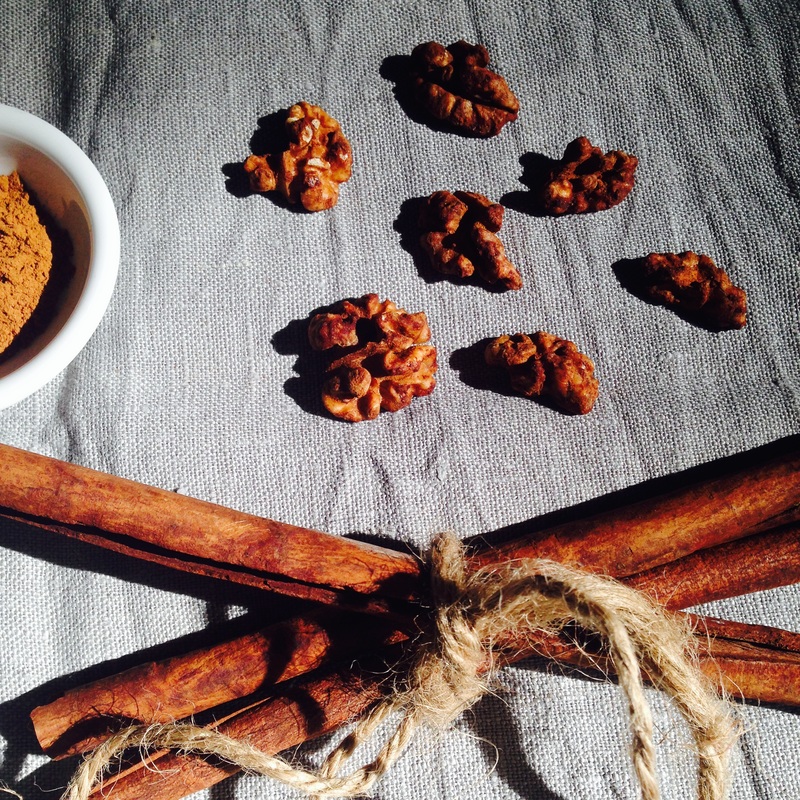
Cinnamon walnuts
serving size ¼ cup
2 cups walnuts, soaked overnight in acidulated water
2 teaspoon ceylon cinnamon
2 - 4 teaspoons maple syrup

I do not have a sweet tooth so 2 teaspoons maple was great for me.  The husband and kids like it with more.  Suit yourself, start low and move up if you need to.

In a bowl large enough to hold the walnuts, mix the maple syrup and cinnamon, add walnuts and ensure they are really well coated.

Transfer to a baking tray that can hold the nuts in a single layer and roast at 120C for 15 minutes.  

Turn nuts with a metal spatula.  Cook for another 15 minutes. 

Repeat this process until nuts are crispy but not dried out. This will take about 45 minutes.  Store for as long as you can.  My batch was gone before I could even take photos. Actually probably a good idea to double it.

Maple syrup is 75% sugar, but it contains loads of lovely minerals like manganese, zinc, magnesium, calcium and potassium, vitamin B2, antioxidants and polyphenolic compounds. AND even if you use the full 4 teaspoons of maple syrup, that is less than ½ teaspoon per serve and because it is combined with healthy fats and protein in nuts, not to mention the cinnamon, the sugars will be slowly digested.

tip #5 attend a healthy cooking class 

If you'd like more cooking tips, yummy recipes and nutrition wisdom, there are some great cooking classes scheduled for the next few months including kids' school holiday classes. They all encourage a delicious, nutritious balanced  approach to food. Please join me.  Class schedule.

tip #6 consult your nutritionist

If you would like further advice on nutrition, including how to eat a balanced diet, reduce sugar cravings, improve energy levels, combat foggy brain etc contact your qualified nutritionist for a private consultation. 

Class dismissed.
4 Comments

Turmeric - the golden child of spices

6/2/2015

0 Comments

 
Turmeric is a spice with such an amazing flavour and medicinal properties that you’ll be wanting to sprinkle it on your cereal before you know it... but wait as I have some much more palatable ideas.  This potent spice has serious anti-inflammatory, anti-mutagenic, anti-viral, anti-bacterial and anti-fungal properties just to name a few. 

You will have come across turmeric in curry powders, mustards, sauces and cheeses. 

With the Worldwide trend toward using natural additives in reducing the complications of diseases (Alleluia!) it is fitting that we explore the addition of common spices to tickle our taste buds, brighten up our dishes and our enhance our health. 

Turmeric has been used medicinally in Ayurvedic practice since 1900BC.  It also features in Indian and Traditional Chinese medicine.  In 1910 Curumin (diferuloylmethane), a poly-phenolic compound (curcuminoid) was isolated as the active ingredient responsible for  turmeric’s numerous therapeutic activities, including those of the skin, pulmonary, and gastrointestinal systems, aches, pains, wounds, sprains, and liver disorders.  

Curcumin is widely used medicinally as an anti-inflammatory, antioxidant, antimutagenic, antiviral, antibacterial, anti-fungal, anti-hyperglyaecemic and cancer preventive agent.

Turmeric has been shown to have positive outcomes in the treatment of chronic inflammatory conditions including rheumatoid arthritis, oesophagitis, ulcerative colitis, diabetes, cardiovascular disease, and post‐surgical inflammation.

There is extensive research to back up the therapeutic claims of this wonder spice and it widely believed that it has potential against various malignant diseases including allergies, arthritis, Alzheimer's disease, inflammatory bowel diseases (due to its increased bioavailability in the gastrointestinal tract), hepatic fibrosis and gastrointestinal cancers.  Research is currently being conducted.

Turmeric spice is made from steaming, drying and grinding the orange coloured rhizomes of the leafy green Curcuma Longa plant. It is not difficult to buy and a fresh rhizome planted in your garden will give rise to this attractive plant.  It is worth noting that whilst fresh is often best, the extraction and drying process actually enhances the bioavailability of curcumin.

To enhance the bio-availability of curcumin it is recommended that 3% pepperine (from black pepper) be taken in conjunction with turmeric.  

Turmeric yields 4% curcumin (this is the active ingredient) so 1 teaspoon of 3g provides you with 120mg curcumin, not bad if you’re adding to your diet in a preventative capacity - many studies purport positive outcomes with 50mg curcumin supplementation for cancer prevention. To put that into perspective a high dose curcumin supplement contains around 500mg curcumin.

CAUTIONS:  If you are pregnant or breast feeding, have diabetes, gall bladder problems, GERD, have bleeding problems or hormone sensitivity issues please check with your practitioner before taking turmeric or curcumin in medicinal doses.

OK so now to add it to the diet:

Golden Turmeric milk - my commitment to you is solid.  Proof of that is in the number of trial golden milks I have endured for your benefit, not all of them were what you’d call delicious.  Benefits abound in this trial process of course so I’m not complaining.   Turmeric is quite bitter so the addition of sweet spices is a great idea. You could also try vanilla, liquorice or aniseed.  Golden milk has a truly earthy goodness about it that warms your soul and hugs your insides. 

Turmeric paste
¼ cup turmeric powder
½ teaspoon black pepper
1 cup water
1 tablespoon coconut oil (or other oil of choice)

Combine turmeric and pepper in a small saucepan and stir in the water, bring to a simmer and add coconut oil.  Simmer for about 5 minutes, stirring until a paste like consistency is reached, adding more water as required. Transfer to a jar and store for up to 2 weeks in the fridge.  Alternatively, measure out teaspoonfuls and freeze on a tray. Once frozen, pop into an airtight container.

My favourite golden milk 
1 teaspoon turmeric paste
1 teaspoon cinnamon
1 teaspoon mixed spice
1 cup milk of choice (this bit’s important!) I prefer it with almond or full cream cow’s milk myself and find that with soy milk (no added sugar) maple syrup is needed.  But give it a go for yourself.  I’d love your feedback.

Combine the spices in a small saucepan and mix well to form a paste.  Add a little milk if desired to loosen.  Add remaining milk and simmer for a few minutes.  Once warm, pour into a cup and drink.  Pure anti-inflammatory health.

Thanks to Jo from Jo’s Herbadashery in Manly who shared the original Health Masters Live recipe with me. 

Add turmeric paste or powder to your legumes, grains (and seeds such as buckwheat and quinoa) when cooking.  1 teaspoon per cup water. It is naturally anti-flatulent and has been used for centuries in Vegetarian cooking to alleviate unwanted side effects from improperly cooked grains and legumes.

Add to egg dishes - Turmeric omelette- ½ teaspoon paste to 2 eggs, 1 onion, 1 clove garlic, handful spinach and don’t forget the pepper.  Cook in olive, or coconut oil, ghee or butter.

Add a thumb sized piece into freshly made vegetable and fruit juices and juithies (that’s a smoothie made from veggies and fruit with the fibre left in).

Add turmeric paste or powder to tagines, stews, casseroles, soups, breads, scones etc.

Rub into chicken or fish before frying or BBQing with garlic and olive or coconut oil.

One more word of WARNING.  Turmeric does stain (even the powder) …everything from your washing up cloth, to your t.towels, bench tops, cooking utensils and hands, but rest assured with time it comes out of bench tops, cooking utensils and hands, not so much cloth. 

Wishing you much love and laughter in your kitchen. 
0 Comments

Pure fruit popsicles 

19/1/2015

0 Comments

 
Picture
Picture
Summer is synonymous with surf, sand, sunscreen and icy poles. Isn't it? If you have kids it so is.  So what do we do to keep them entertained in the looooong summer school holiday?  We take them to the beach, slip, slop, slap them, run them ragged, feed then a SANDwich then take them home for a refreshing ice block.  Even though I consider myself a label reader, for many years I was completely oblivious to the large number of numbers in the common frozen fruit confectionary that I subjected my kids (and my kids' friends to).   I've been guilty of purchasing the pre-packed fruit sticks that you pop in the freezer - I thought they were pretty healthy - you know 99% fruit juice, what can be wrong with the other 1% - Well if you have the inclination,  the time AND THE EYESIGHT to read them, this is what you would find in one of our most popular ice blocks.  

Reconstituted Fruit Juices [Apple (93.2%), Grape (3.2%), Pear (1%), Orange (0.5%), Pineapple (0.5%), Passion Fruit (0.3%), Mango (0.2%), Black Currant (0.1%)], Colours (110,163,150d,102), Flavours, Vegetable Gum (466), Food Acid (330), Preservatives (211,202,223) (Contains Sulphites).

Just soooo unnecessary. I'm not feeling particularly verbose and one day I'll do a wrap on why it's best not to eat numbers but for now let's just agree that numbers are generally man made flavours, preservatives and fillers to make your food more appealing and longer lasting.  What we really want is to feed our kids food that is already appealing and does it really need to last for 2 years on a supermarket shelf? Maybe not.  

So all you need to create a delicious, nutritious popsicle for your kids this summer is a blender or food processor of some description.  I don't receive kickbacks but I am happy to share that the four I have for various reasons, which ALL work PERFECTLY for this recipe are the $39 Russell Hobbs, the $500 Breville whiz pro, The $300, Kitchenaid blender and the $2000+ Thermomix.  

To make 6 ice blocks in the Zoku ice block holders you will need  1 mango, 2 peeled, deseeded oranges and 6 passionfruit.  I also use cup cake papers and cups with paddle pop sticks.

Puree the mangos and oranges, then stir in the passionfruit.  Pour into the moulds and pop into the freezer.  100% fruit! 100% health and happiness for your kids and your peace of mind.

You can of course make these with any number of fruit and liquid combos. We pour leftover smoothies into the moulds, whizz berries and coconut milk or water, banana and soy milk etc.  Let your imagination be your limit.  Buon appetito.


0 Comments

2015 beckons…let's make it a spicy year!

14/1/2015

1 Comment

 
Picture
It can be tricky to fully immerse yourself in your work (no matter how much you love it) when the cicadas are chirping in the trees spelling long indulgent hammock reading sessions, the kids are competing for your undivided attention(flattering of course) AND on top of that,  it seems like simply EVERYONE ELSE is skiing in a foreign country or frolicking in far off waters.  One leg is still in  full holiday swing and the other is limping slowly towards the starting block that is the new working year.

If like me you follow the foodie blogs and posts, you'll know by now that they are riddled with articles on 2015 food trends. There are many varied predictions on the rise and fall of rising ingredients and hip cuisine.  Some made me laugh (the number of authors predicting the demise of kale) and others sing (Nose to tail fish eating, yep if you’re in you’ll be dining out on fishy livers & the like.) So the list thing has been done already. 

I have been trying really hard to get a newsletter out… I’ve journeyed from Cabramatta to Alexandria, from Bowral to Thredbo in search of inspiration.

And finally I found it, right under my nose, in my very own spice drawer.  I love cooking with spices.  Their flavour can transform the most mundane ingredients into  a rumba on your taste buds.  Nutritionally speaking they can also really add some magic to your dish

Spices have been used for millennia for numerous purposes from enhancing taste and disguising spoiled food to stabilising blood sugar levels, staving off sugar cravings, upping the anti-oxidant content of your dish to providing seriously powerful medicinal remedies.

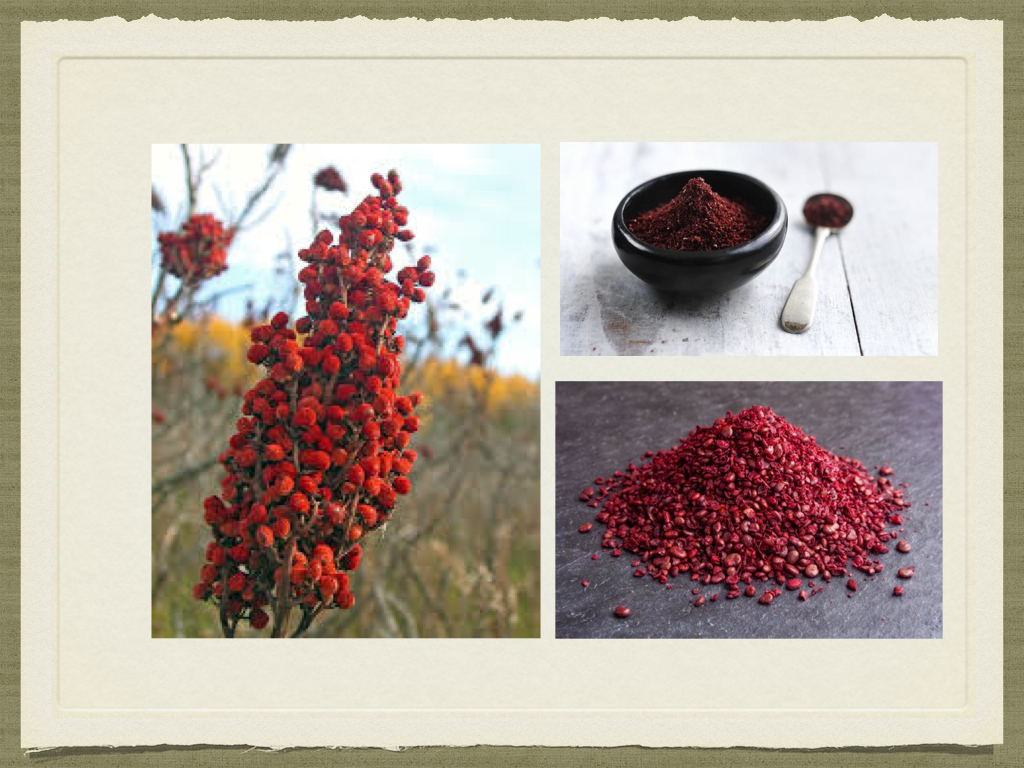
A simply fabulous summer spice is SUMAC.  Sumac, a traditional Middle Eastern spice is a deep purplish red, with a tart, sour, citrus taste. The main spice in zataar, also delish on salads, lush on fish and chicken, can be used in place of lemon and lime, steeped with cinnamon in tea, used as a condiment with eggs, curries, quinoa etc.


But why eat Sumac?  Well because it tastes really good AND it’s high in antioxidant phenolic acids and flavonoid and  B and C vitamins.  It’s unique properties mean that it is anti-inflammatory and helps fight free radical damage which may help reduce the risk of some cancers.  Sumac has antimicrobial properties. Sumac also has anti hyperglycaemic properties meaning it can help balance blood sugar levels to avoid those sugar highs and lows.  It may also assist in improving blood lipid profiles (think cholesterol and triglycerides.)  AND remember it tastes good.  In Traditional Iranian Medicine,  it has been used to treat peptic ulcers.

Sumac berries are picked ripe, then dried and ground into powder or stored whole.  You can buy Sumac at Middle Eastern and Indian food storers and many good green grocers (possibly even is supermarkets although you won't get a good sized bag there.)

So this year, the classes will be full of spices and spicy titbits on why you would be doing yourself a favour by adding them to your food.  If you would like to learn more about the magical powers of spices and other whole foods, book into a cooking class and we’ll talk turkey.

Happy spicy cooking.  Sumac chicken.  I'll pop some more recipes up soon.


1 Comment

Chia seed Cha Cha

26/8/2014

0 Comments

 
Picture
Whilst linguistically speaking the cha-cha is "a ballroom dance with small steps and swaying hip movements, performed to a Latin American rhythm. e.g. his feet began to move in an unmistakable cha-cha", the chia seed, like the cha-cha originated in Latin America. Ha! 

So why has the re-emergence of this tiny black, white and speckled seed caused so much excitement?

With good merit I say.   Salvia hispanica L (aka chia seeds) originated in Guatemala and Mexico in the pre columbian and Aztec periods and are touted for  their neutraceutical benefits. The chia seed is well credentialed for its position on the functional super foods' list and has every right to have made its way back onto the dining table. 

Nutritionally speaking, they punch way above their weight with 1 tablespoon (12g) of chia containing a whopping 2500mg of the essential Omega 3 Alpha Linolenic fatty acid, 3g protein (including high levels of the lovely Tryptophan) and 4g fibre (hello healthy gut flora).  

Omega 3 fatty acids are famed for their anti-inflammatory health benefits including their ability to balance blood serum lipid levels, reduce LDL and increase HDL cholesterol. 

Chia seeds are full of phenolic antioxidants including Quercetin, Kaempferol and Myricetin which protect the body from free radical oxidation and reduce inflammation.  They are rich in minerals such as Calcium, Phosphorous, Manganese, Iron, Magnesium and Zinc, which translates to healthy bones and teeth, improved immunity and haemoglobin synthesis.

The amino acid, Tryptophan, which  is the precursor to one the 3 important mood modulating neurotransmitters, serotonin, is found in high quantities in chia seeds. 2 tablespoons contains 202mg (equivalent to 60g serve of turkey).  

Chia seeds are hydrophilic, absorbing up to 10 times their weight in water.  This makes them a fabulous hydrator and appetite suppressant.  Their high protein and fibre content will ensure that adding them to any dish will decrease Glycemic load (meaning more balanced blood sugar levels.)   Their high fibre content will increase gut transit time, assist with the beneficial maintenance of healthy gut flora and induce satiety.  But wait there’s more.

Chia seeds are also an incredibly versatile cooking ingredient.  Once you learn their magical culinary powers, you will be converted. 

Chia seeds can be used to thicken stews, soups, & casseroles, as a base for warm and cold breakfast puddings, as a base for warm and cold dessert puddings, to thicken jams, mousses, custards, sauces & mayonnaises and as an egg replacer (1 tablespoon chia + 3 tablespoons water = 1 large egg).  

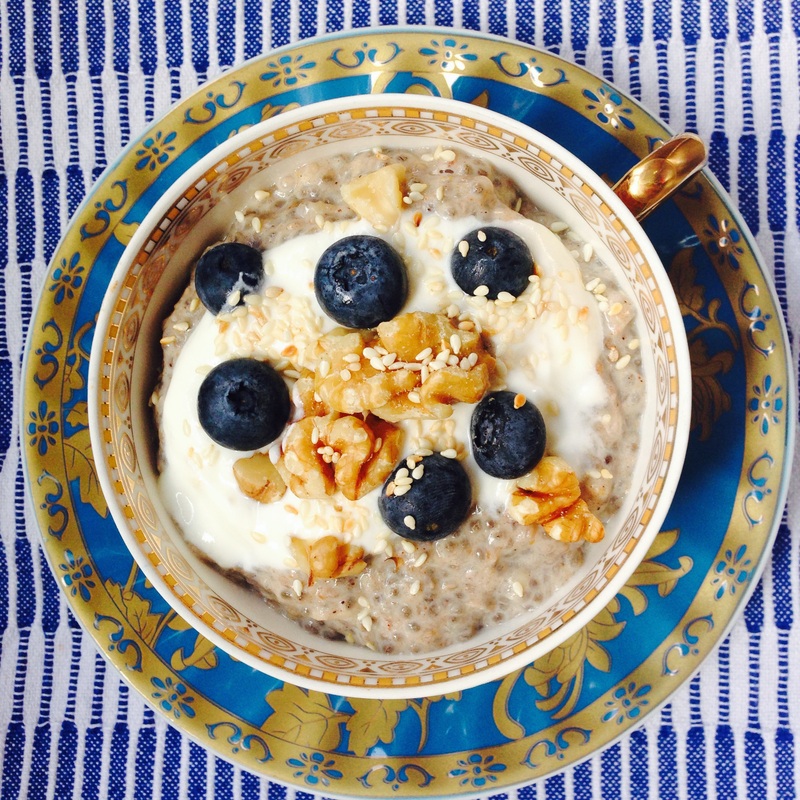
I have been trying to wean my family off a well known (fairly healthy) breakfast cereal for some years now and I have danced many a cha-cha in the effort.  It was the chia breakie pudding that finally converted them ALL at the same time.  Alleluia!  It is a pretty versatile dish and can be prepared as a raw dish or on cold, rainy days can be served warm.  Start with the seasonal fruit, add the liquid base of  milk, yoghurt, coconut or almond milk or coconut water. Next add the chia seeds and spices.  Ready to break the fast.

The recipe for a delicious chia pudding can be found here

Chia seeds are a member of the mint family and may have an allergenic effect in people who are allergic to sesame seeds and/ or mustard seeds.

0 Comments

SAVE $1000 a year just by organising your shopping list

18/7/2014

0 Comments

 
Did you know that in NSW alone more than 800,000 tonnes of food is thrown out for garbage collection each year?  The average household throws 315kg of food into the garbage each year...that's one stat you don't want to be a part of!That's not even counting what gets thrown into the compost....or the waste from food businesses.  It is estimated that this waste of fresh fruit and veggies, meat, chicken and fish, packaged foods and leftovers equates to around  $1000 per household each year...mmmm, I'm feeling a weekend retreat with those savings.

We are all doing our best right.  We try hard to feed our families economically with nutritious, delicious food.  It's hard.

There are loads of reasons for this unintentional waste, including;
We buy too much food (think specials, double ups) 
We lose or forget about food in our overloaded pantries, fridges & freezers.
We're scared of offal and secondary cuts of meat.
We cook too much and don't eat the left overs.
Plans change and we don't get the chance to cook the meals we've planned.
We don't plan. 
We just  prefer to wing it!

There should be a self help group for this kind of thing.... Oh hang on  there is...

On Friday 25th July in our Real Simple Food cooking class, we sort out this conundrum and our pantries and fridges (photos only please) We  check seasonal food guides, plan our recipes, write a meal plan and a shopping list...

We're also cooking a bunch of delicious dishes using every last scrap of food we bought, we're going to eat it all up and look forward to saving $1000 each year from now on. (That's more than the scrapping of the carbon tax will save you...)

You know you want to...BOOK HERE
0 Comments
<<Previous
Forward>>

    Categories

    All
    Christmas Gift Ideas
    Cooking Classes
    #Gluten Free
    #healthyfood
    #healthyrecipe
    #healthyrecipes
    Kitchen Appliance
    #nutrition
    #nutritious
    #rawfood
    Sustainability
    Sustainable Kitchen
    Thermomix
    #vegan

    Archives

    April 2021
    June 2020
    April 2020
    July 2019
    June 2019
    May 2019
    January 2019
    February 2017
    October 2015
    September 2015
    July 2015
    June 2015
    February 2015
    January 2015
    August 2014
    July 2014
    June 2014
    May 2014
    April 2014
    February 2014
    December 2013
    August 2013
    May 2013
    March 2013
    February 2013
    November 2012
    October 2012
    September 2012
    August 2012
    July 2012

    RSS Feed

  • HOME
    • About us
    • Contact Us
    • Location Map
    • Newsletter
    • Recipes
    • Blog
    • Photo Gallery
    • Photos
  • Nutrition
    • Nutrition consults
    • EATING DISORDER HELP
    • Classes >
      • BOOK a CLASS >
        • about our classes
        • Cancellation policy - cooking classes
  • Workplace & schools
    • SCHOOL >
      • DADs Cannelloni
      • DADs Mexican
      • DADs Asian Fish
      • DADs gnocchi
      • DADs Risotto
    • schools programmes
  • Sustainability
  • Testimonials
  • Media